Pipeline totals are the wrong headline for Dubai offices. A figure of about 1.9 million sq ft for a year and a figure of 24.2 million sq ft for five years sound like a contradiction. They are not. What matters is who will own and lease the space, and whether it is spoken for before handover.
Why can't the pipeline numbers be put on one slide?
Each agency counts a different thing over a different period.
- Savills counts annual deliveries: about 1.9 million sq ft in 2026, rising to more than 4.2 million sq ft a year by 2030.
- Knight Frank counts a cumulative schedule: about 24.2 million sq ft between 2026 and 2030.
- Cushman & Wakefield counts a period: over 0.88 million sq ft delivered in Q2 2026 and a further 1.13 million sq ft due by year end.
Put a yearly figure next to a five-year total and the supply looks either tiny or huge. Neither reading is fair. A reader should name the source, the period and the basis every time.
There is a second trap. Savills and Knight Frank also count different kinds of space. Savills describes its figure as office space scheduled for delivery. Knight Frank's schedule is a pipeline by submarket. Neither figure says how much of the space is Grade A, how much is strata, or how much is already leased.
Where does the wave land?
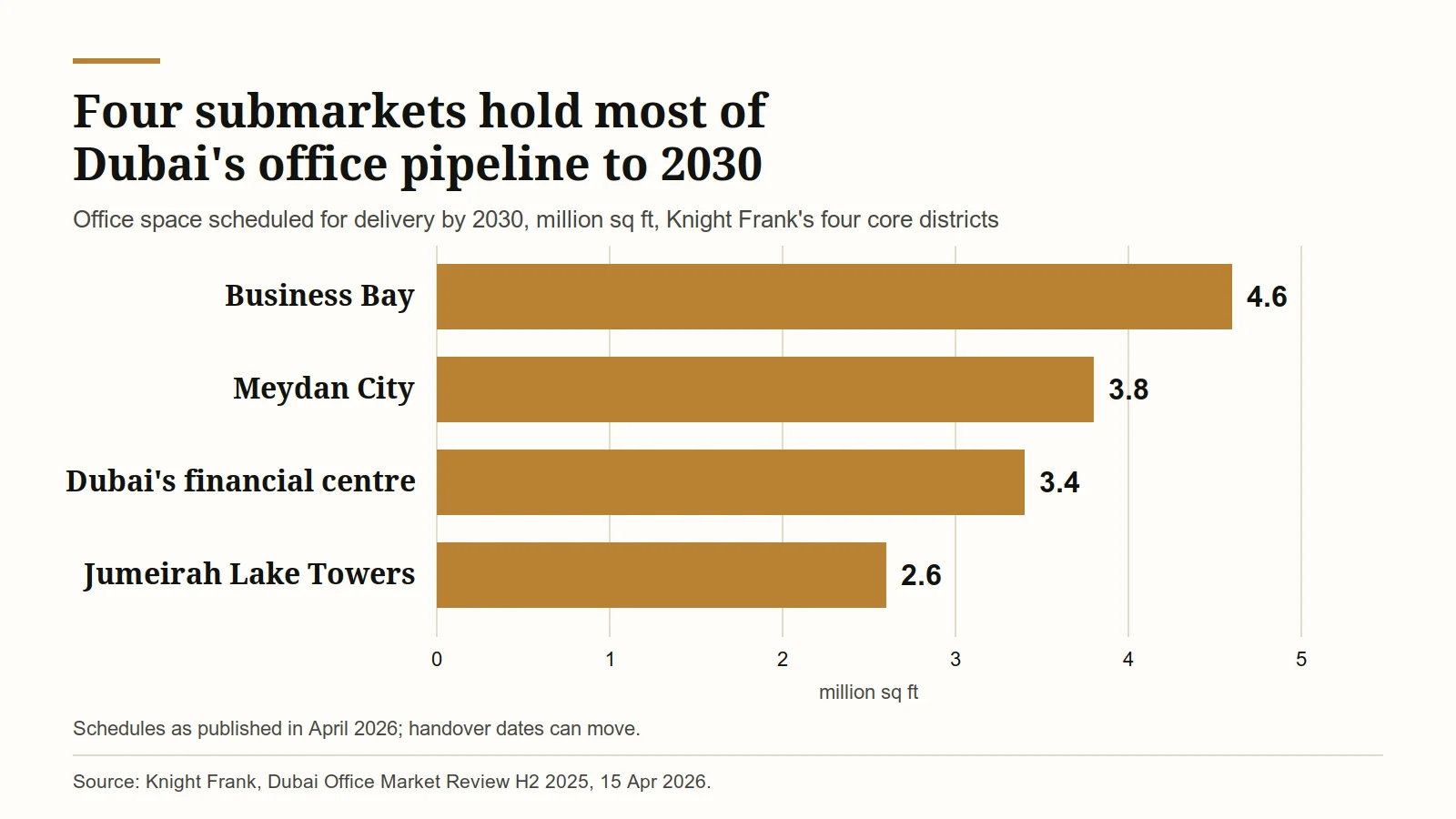
Knight Frank names four key submarkets that together hold the majority of its schedule to 2030:
- Business Bay: 4.6 million sq ft.
- Meydan City: 3.8 million sq ft.
- Dubai's financial centre: 3.4 million sq ft.
- Jumeirah Lake Towers: 2.6 million sq ft.
Ownership differs sharply between them. Knight Frank says 100% of Business Bay's pipeline under construction is build-to-sell. The financial centre has a pipeline of 7.7 million sq ft to 2040, and Knight Frank describes it as almost entirely build-to-rent.
That split is the story. A build-to-sell tower is sold floor by floor to many owners. A build-to-rent tower has one landlord who can sign a large tenant early. Our piece on strata and single-owner towers takes this further.
How much is already spoken for?
Quite a lot of the Grade A supply is. Savills says much of the coming Grade A stock is expected to be pre-leased or absorbed by existing occupier demand. Two examples from the same report:
- A new Grade A tower in Dubai's financial centre was substantially pre-leased before completion.
- Immersive Tower, expected to complete in July 2027, already has a significant volume of space under offer.
Cushman & Wakefield says much of this year's supply is already pre-let. Free-zone supply is also coming. DMCC's Uptown Place adds more than 560,000 sq ft of Grade A office, targeted for Q1 2028, with leasing expected to open in the second half of 2026.
Dubai CommerCity's second phase is larger still in the near term: more than 91,000 sqm of new office space, with delivery between Q1 2027 and Q4 2028, as part of an investment above AED 1.8bn. The Business Cluster of six buildings arrives in two stages, one beginning in Q1 2027 and the other in Q1 2028. We look at it in a separate piece.
Pre-letting changes how to read the headline numbers. Savills says the pipeline is constrained, and that landlord leverage is expected to stay strong in the near term. That is a view about the next few quarters. It sits beside a longer schedule that Knight Frank puts at 24.2 million sq ft to 2030. Both can hold. A tight near term and a larger later wave are different periods.
Can the dates be trusted?
Costs are the pressure point. Developers report that imported building materials cost roughly 20% to 25% more than before the conflict, according to Moody's. Contractors have absorbed much of the rise so far, and rated developers told Moody's that their 2026 and 2027 deliveries remain on schedule.
Moody's adds that rated developers are protected in the near term by fixed-price contracts, which limit the effect on cash flow and margins through the next 12 months. Protection of that kind has an end date. If disruption runs on, the risk moves from price to timing.
Cost pressure does not hit every owner equally. A developer with a fixed-price contract is protected for now. A developer that has not yet signed its contractor is not. The same tower can look safe or exposed, depending on when its contract was signed. Public handover dates do not show that.
We cannot say which towers will slip. We can say that a handover date is a promise made under rising costs. Savills itself describes the pipeline as constrained, and a late tower keeps it that way.
What does a landlord do with that?
The answer depends on the ownership model.
- A single owner can pre-lease early, and Savills expects pre-leasing and early renewal to matter more for occupiers seeking quality space.
- A multi-owner tower has no single party to do this.
- Free-zone landlords can phase: Uptown Place for Q1 2028, CommerCity Phase 2 from Q1 2027, and the financial centre's new Zabeel District, which is expected to welcome the public in 2030.
A tenant should ask three simple questions of any new tower. Who owns it? How much of it is already let? And what is the handover date based on? A tower with a single owner and a large share let before completion is a different product from a strata tower that is sold out and empty.
The Zabeel figure of 17.7 million sq ft is total gross floor area, not office alone. It should not be added to an office pipeline.
The test is simple. If ownership matters more than volume, towers with one owner and early pre-lets should fill, whatever the headline pipeline says. Multi-owner towers should be judged on their own, with their handover dates and their sales and leasing paths. A single pipeline total hides that difference, and it is the difference tenants and lenders will feel. We will revisit the numbers once more handover dates are registered.
What to watch
- Handover announcements against the completion dates registered for each tower.
- Pre-let and under-offer shares for the 2027 and 2028 Grade A deliveries.
- Whether contractors shorten or end fixed-price guarantees.
- How much of Business Bay's build-to-sell stock comes to the leasing market at once.
Join the discussion at “Dubai Office Summit”.
Sources
- Savills: About 1.9m sq ft scheduled 2026
- Knight Frank: About 24.2m sq ft scheduled 2026 to 2030
- Cushman & Wakefield: Over 0.88m sq ft delivered in Q2 2026
- Khaleej Times: Imported materials about 20-25% above pre-conflict
- DMCC: Uptown Place 560,000+ sq ft Grade A office, Q1 2028, leasing H2 2026
- Dubai Media Office: CommerCity Phase 2, AED 1.8bn+, 91,000+ sqm office, Q1 2027 to Q4 2028
- WAM: Zabeel District 17.7m sq ft total GFA, public in 2030
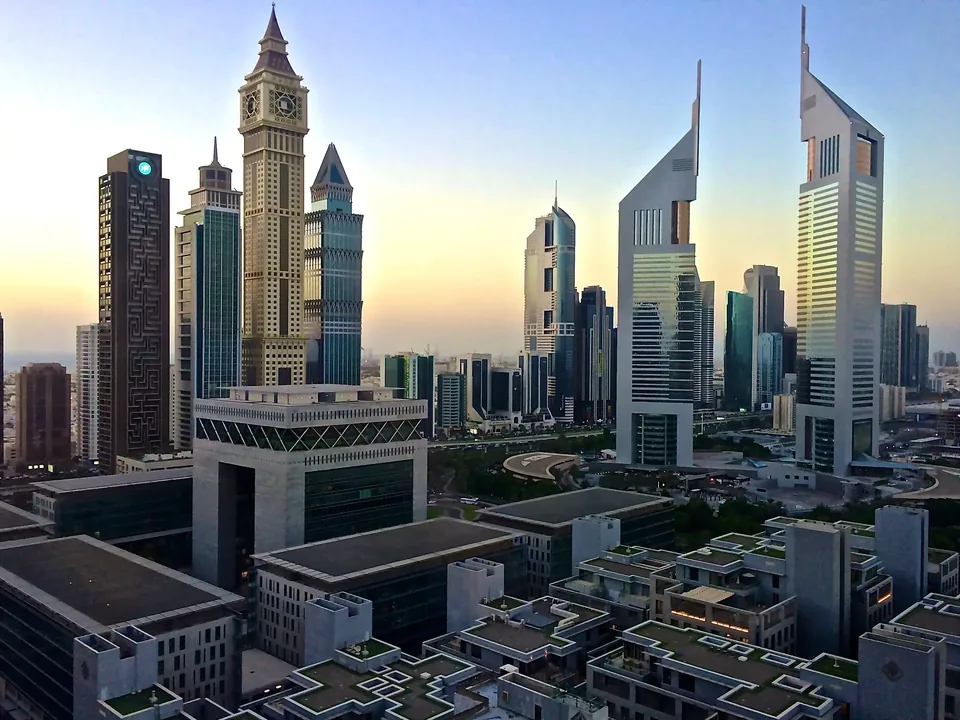 What Dubai tenants now ask of landlords, and which landlords say yes
 Free zone or mainland? The answer now depends on where your revenue comes from, and which authority is your landlord
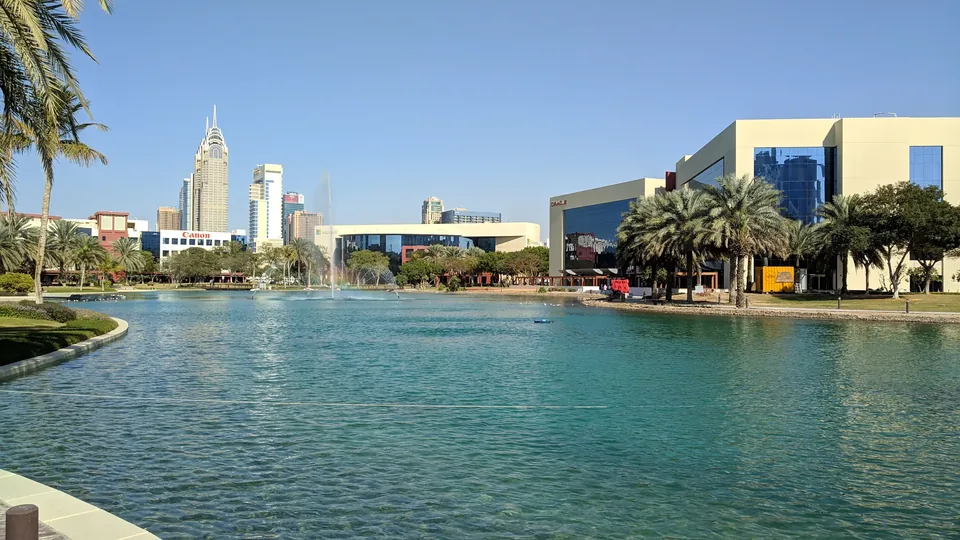 Moving to Dubai? Why new firms tend to start with a small office
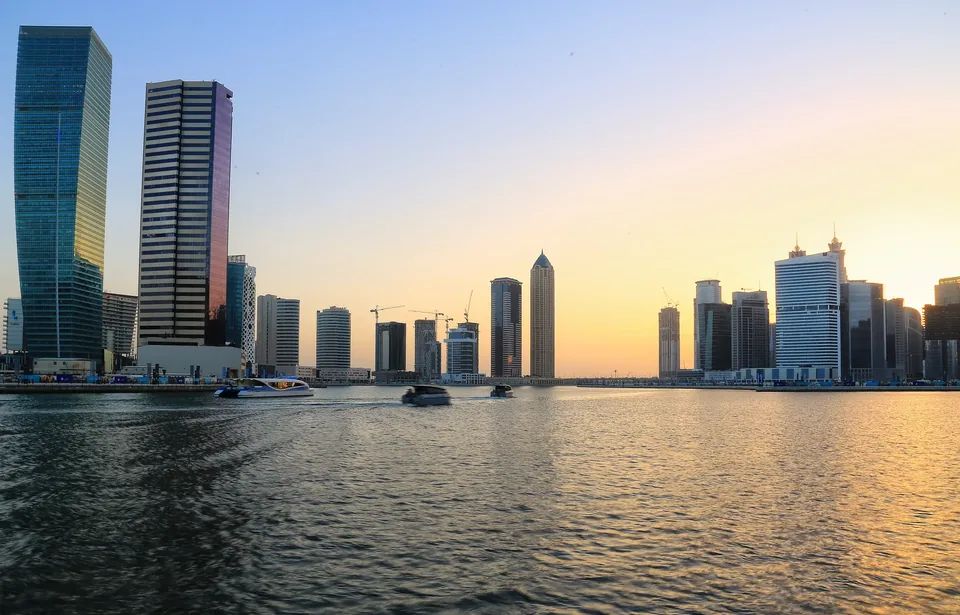 Dubai's big tenants want one landlord. What does that leave the buyer of a single floor?
 Why Dubai landlords are bringing flex operators into large floorplates
 UAE banks are healthy but choosy. So who will fund Dubai's office owners?
 Who really owns Dubai's offices? The public record is thin, so read the deals
 Millionaires are heading to the UAE, but the route to office demand is indirect
 Gulf investors know what a London office is worth. Why is a Dubai tower so hard to price?