
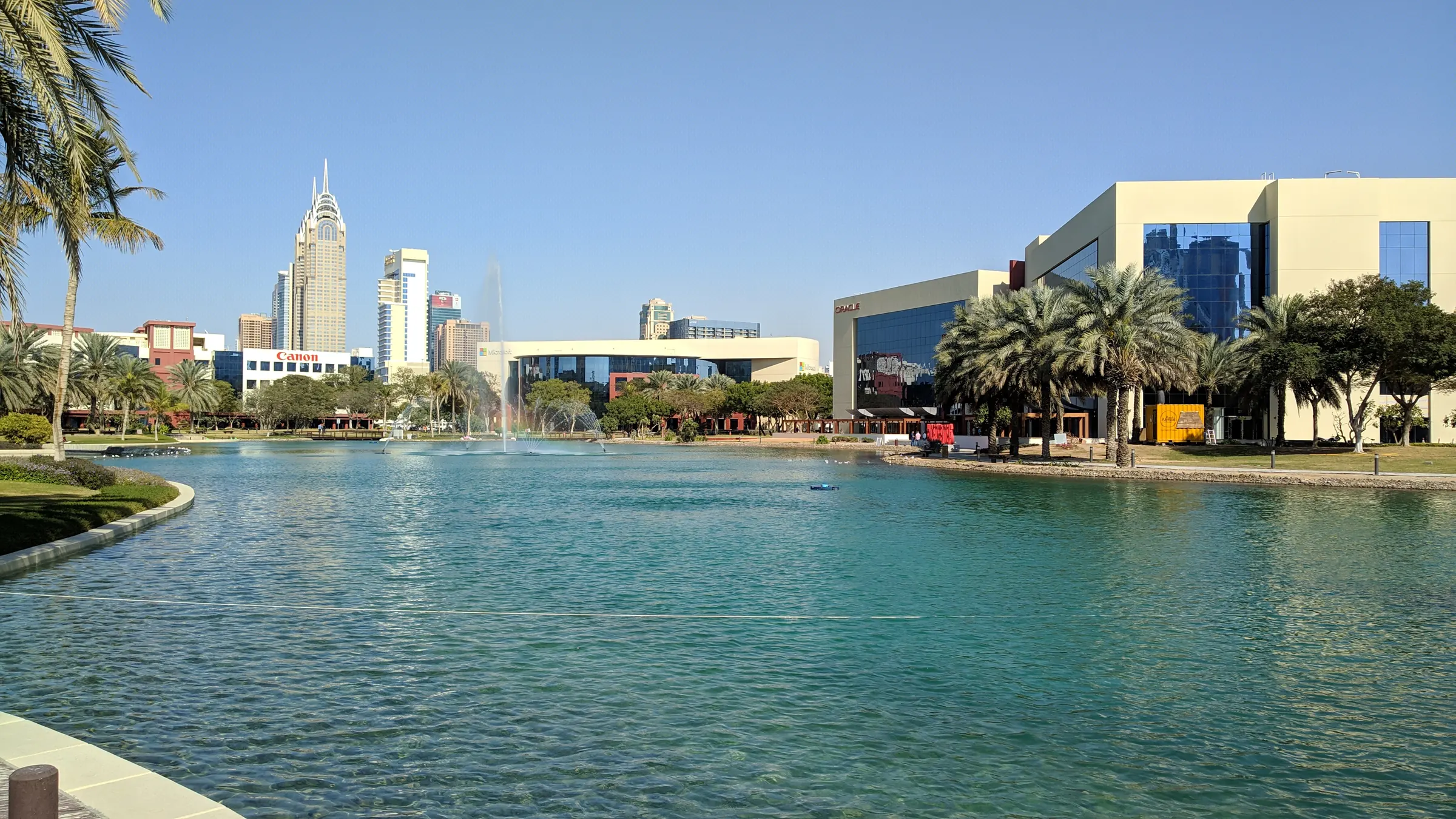
In Q2 2026, two in three Dubai office leases were under 500 sq ft. Dubai's office demand comes from many small commitments and a few large regional moves. Firms entering the market start with a desk or a small suite. Expanders place regional headquarters in free zones. The supply that wins is space that lets both grow without moving.
This piece draws on public data and company announcements. We found no direct count of new entrants by zone, and we say so where it matters.
Who is entering Dubai's office market right now?
Small firms, by volume. Savills reports, on Dubai Land Department data, that leases under 500 sq ft were 66% of all leasing activity in Q2 2026, driven by SMEs, start-ups and new market entrants. Those deals rose 17% quarter on quarter.
Cushman & Wakefield adds a caution: regional uncertainty has delayed some expansions and new market entries, although it has not triggered meaningful downsizing. Entry is slower, not stopped.
Free zones show the same pull. DIEZ, which runs Dubai Airport Freezone, Dubai Silicon Oasis and Dubai CommerCity, reports 96% occupancy across its three zones in the first half of 2026. The number of companies in those zones grew 13% against the first half of 2025, and their workforce grew 24%.
Why do expanders put regional headquarters in free zones?
Public announcements give us a few examples. We present them as dated records, not as confirmation of where each firm sits today.
- Air France-KLM Group opened its regional headquarters at Dubai Airport Freezone, announced in 2020. The whole regional team is based there, including general management, finance and commercial staff, and the Air France Industries management team moved in from former offices in Deira.
- Porsche Middle East and Africa says on its company page that it moved to its regional headquarters in the Dubai Silicon Oasis precinct in 2010, and that its office and training centre still operate there.
- Jaguar Land Rover's Middle East and North Africa headquarters at Dubai Silicon Oasis was described by the Dubai Media Office in 2021 as completed the year before, with a training academy, an engineering testing centre and a customer relations centre.
- BEUMER Group set up regional offices in Dubai CommerCity, reported in 2023.
What these have in common is a campus with its own services. The choice looks less like a rent decision and more like a decision about who sits next door and what the zone provides.
What does an opening lease look like?
We found no dataset of opening leases. Two public facts point the same way.
- The volume of small units, covered above.
- The pricing benchmark that flex operators are setting for fully fitted space, according to Cushman & Wakefield.
A new entrant is likely to want a short term and a space that is ready.
Taken together, the two facts suggest the opening lease is small, fitted and short. The step up to a floor comes later. If the same campus can offer that step, the firm stays. If not, it starts a new search, and the landlord loses a tenant who was already won.
Savills adds a point about timing. Larger occupiers took longer decisions in Q2 2026, with many choosing renewals and selective expansions over major relocations, and Savills reads these needs as deferred rather than cancelled. A firm that arrives small today may be the large occupier of a later cycle. The landlord who wins the desk may win the floor, if the building lets the tenant grow.
What has changed in the cost of testing the mainland?
Executive Council Resolution No. 11 of 2025 lets a company licensed by a free-zone authority operate outside the free zone within Dubai, provided it obtains the licences or permits it needs from the Department of Economy and Tourism. Financial institutions licensed in Dubai's financial centre are outside its scope.
The Free Zone Mainland Operating Permit is the light route. It lasts six months, costs AED 5,000 and renews for the same fee. Mainland revenue is subject to 9% corporate tax, and the company must keep separate financial records. In its initial phase the permit covers non-regulated activities such as technology, consultancy, design, professional services and trading.
For a new entrant, this means a firm can sit in a free-zone office and try mainland clients for six months. We found no data yet on how this changes office take-up. For the rules in plain language, see Free zone or mainland. This is not legal advice.
The permit also has limits that a new entrant should know. Its initial phase covers non-regulated activities, and the framework plans to extend to regulated sectors later. A firm in a regulated sector should check its position before it assumes the route is open.
What do zones and landlords need to offer next?
The test is growth in place.
- Room to expand inside the same campus, without a new search.
- Fitted stock that is ready on the day of the lease.
- Clear tenancy terms that a small firm can read without an adviser.
Supply is coming. Dubai CommerCity's second phase will add more than 91,000 sqm of new office space, with delivery planned between the first quarter of 2027 and the fourth quarter of 2028 and total investment above AED 1.8 billion. Whether that space fits the small firm of today is a question for the tenants. We look at the project in CommerCity phase two.
One caution on reading these examples. Each is a public announcement, and public announcements favour firms that are large enough to hold a ceremony. The small firm that signs a desk contract leaves no press release. That is why the lease data, not the announcements, carries the case. The announcements show where larger expansion lands, and the lease data shows how it starts.
What to watch
- Whether the share of leases under 500 sq ft holds near two in three.
- Whether free-zone occupancy stays near 96% as new space arrives.
- Whether firms on the mainland permit later take a full mainland or free-zone office.
- Whether named regional headquarters reconfirm their zone addresses in new announcements.
Bring the opening-lease question to “Dubai Office Summit” in Dubai CommerCity.
Sources
- Savills: Leases under 500 sq ft, 66% of leasing activity in Q2 2026
- Cushman & Wakefield
- Zawya: DIEZ zones 96% occupancy H1 2026
- Dubai Eye: Air France-KLM regional HQ at DAFZA
- Porsche: ME&A regional HQ moved to Dubai Silicon Oasis in 2010
- Dubai Media Office: JLR MENA regional HQ at Dubai Silicon Oasis completed prior year
- International Business Magazine
- Dubai Protocol
- Dubai Media Office: Permit, six months, AED 5,000, renewable same fee
- Dubai Media Office: CommerCity phase two, 91,000+ sqm office space
- RealTimes: first panel title Who's Moving to Dubai, and Where Will They Sit?
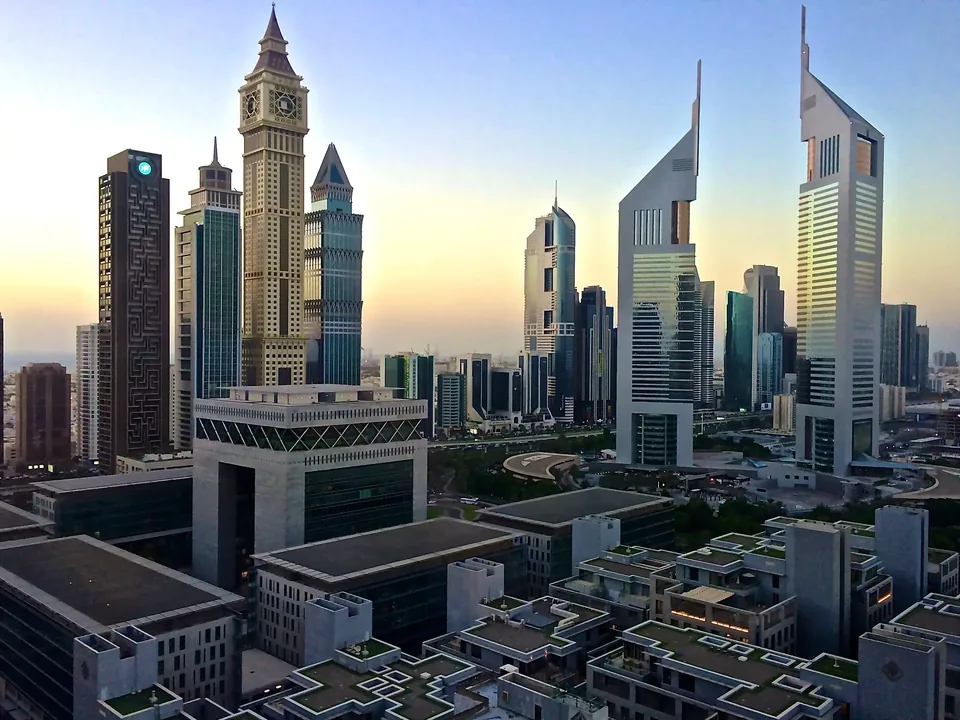 What Dubai tenants now ask of landlords, and which landlords say yes
 Free zone or mainland? The answer now depends on where your revenue comes from, and which authority is your landlord
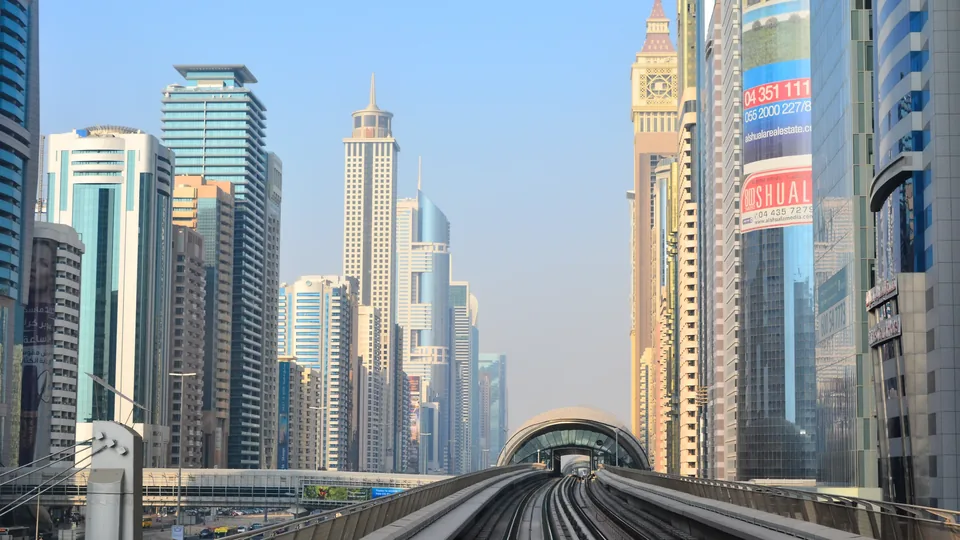 Dubai's office supply wave is coming. The real question is who will own it
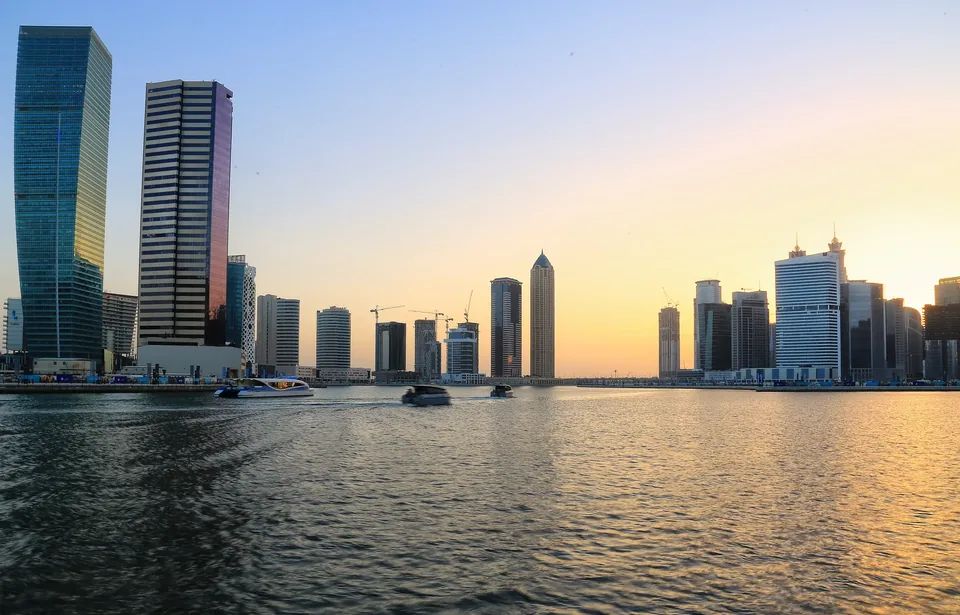 Dubai's big tenants want one landlord. What does that leave the buyer of a single floor?
 Why Dubai landlords are bringing flex operators into large floorplates
 UAE banks are healthy but choosy. So who will fund Dubai's office owners?
 Who really owns Dubai's offices? The public record is thin, so read the deals
 Has Dubai's office market peaked? The evidence points to a pause, not a top
 Millionaires are heading to the UAE, but the route to office demand is indirect
 Gulf investors know what a London office is worth. Why is a Dubai tower so hard to price?