
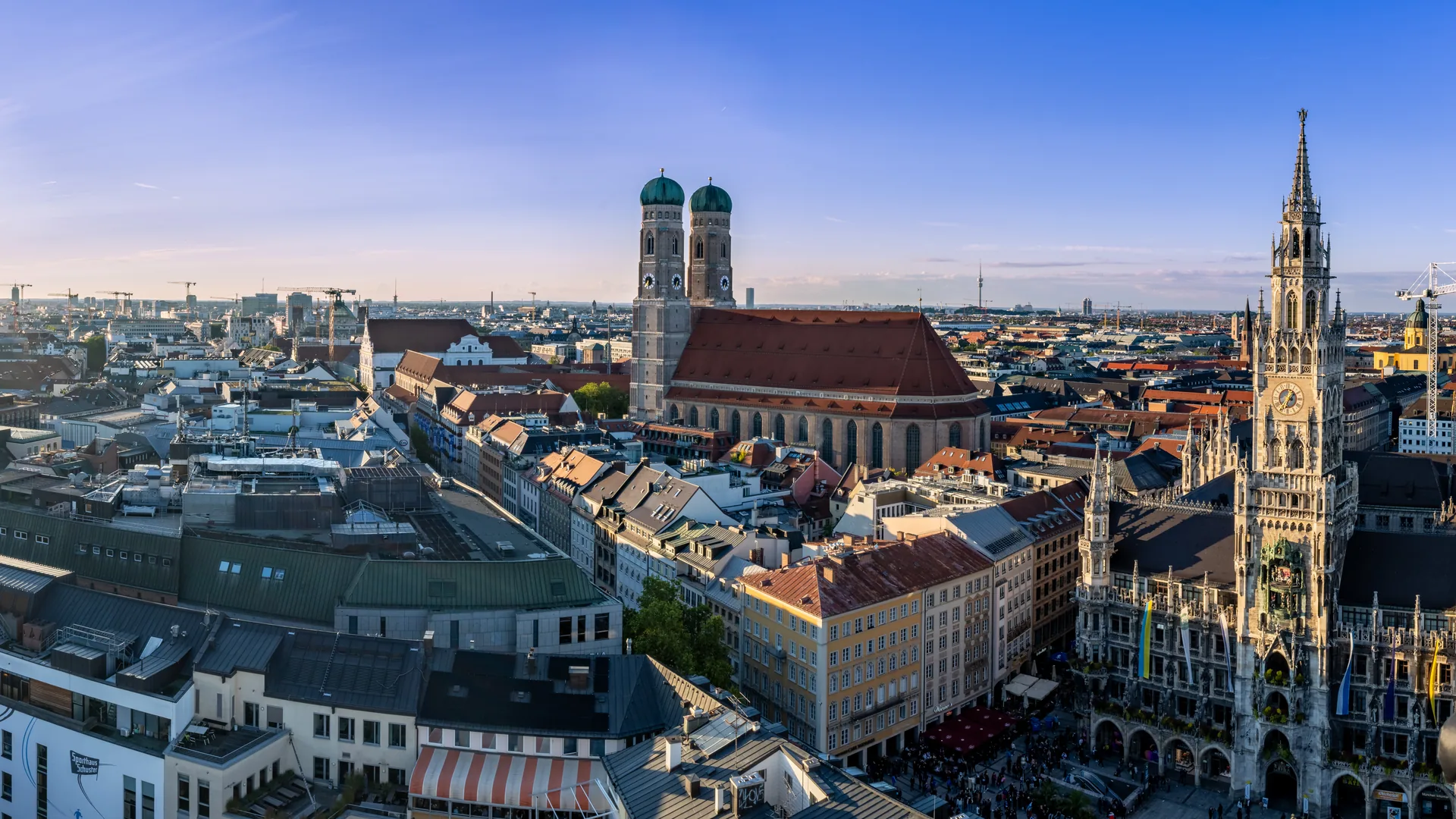

A fund manager walking into Hall B3 on Monday morning for the opening investor panel is not there to find out whether European real estate feels better than it did a year ago. It does, a little, and everyone in the room already knows it. She is there to find out whether that feeling converts into something she can act on: a loan she can actually draw, a price a seller will actually accept, a project that can actually break ground. EXPO REAL 2026 gives her three days, 258 public sessions (more than 200 of them panels) and over 650 speakers across 11 forums and stages to test that. Most of what happens in Munich will not answer the question directly. The value of the fair is in the number of chances it gives her to ask it.
Three tests decide what gets done in Munich, and a session can pass one while failing the other two.
Capital. Is money available on terms that close, not just terms that lenders say they are open to discuss?
Clearing price. Are a buyer and a seller converging on a number, not merely a market that has been declared recovered?
Action. Can a real project, an office refurbishment, a logistics shed, a data hall, move through permits, power connections and financing at the same time?
A session, a stand or a headline can satisfy one of these tests and say nothing about the other two.
Start with capital, because it sets the boundary on the other two. CBRE's survey of 134 European lenders found 72% planning to increase 2026 origination, covering roughly €70bn of expected volume. That is real appetite, and it is not unconditional: 66% of the same lenders said they would not lend against an asset that fails sustainability criteria without an improvement plan. INREV counts €442bn of allocations to European real estate debt, with €23.9bn of target equity in vehicles that terminate between 2025 and 2031, a second maturity calendar sitting behind the borrowers' own. The ECB raised rates by 25 bp at its 10 Sep meeting, effective 16 Sep: deposit rate 2.50%, main refinancing rate 2.65%, and a net 7% of euro-area banks were still tightening credit standards for enterprise loans in the second quarter. Lenders want more business and are pricing more carefully at the same time. That tension is the debt route through Munich, and The lender is also on a clock follows it.
Clearing price is the harder test, because a fair cannot manufacture a transaction. German H1 2026 investment rose to about €17.6bn, 15% above the same period last year, while Big 7 office vacancy also rose, to 8.5%. Those two figures describe a market where more money is moving and more space is empty at the same time, which is exactly what price discovery in a repriced market looks like: sellers with lower expectations, buyers with more choice, neither side fully settled. The public record does not show a single named transaction that was signed inside the fair in 2024 or 2025. That gap between a converging conversation and a signed deal is the subject of The room can clear a price without closing a deal, the counterpoint to this piece.
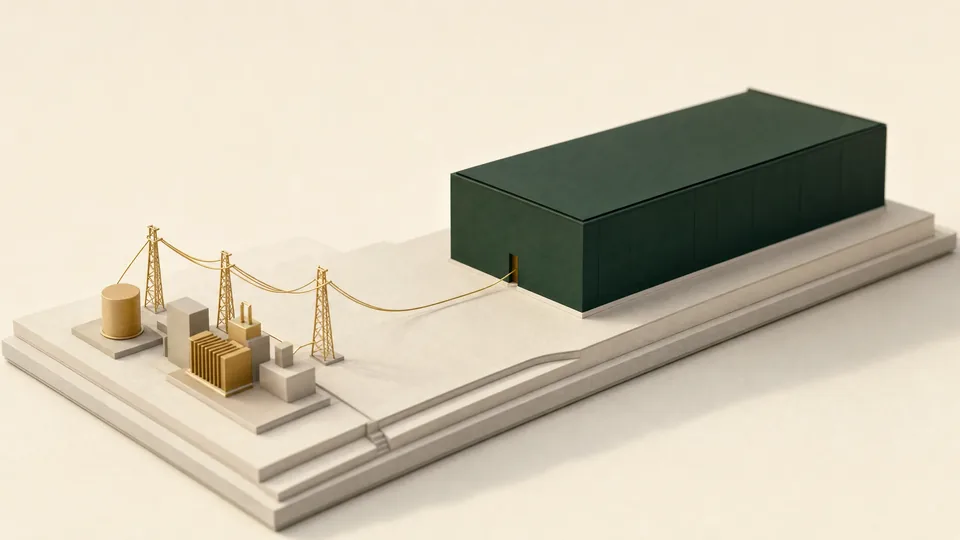
Action is the newest test on the programme, and the organiser has given it its own room. InfrastructureNow, a dedicated forum for investable infrastructure, energy networks, digital and social infrastructure, is new to the 2026 conference programme. Its premise is that the constraint on the next wave of European property investment is increasingly a grid connection or a permit, not a lack of capital. European data-centre capacity is forecast to reach 13 GW by year-end 2026, a 20% rise on 2025, while ENTSO-E expects European data-centre electricity demand to grow more than 50% between 2025 and 2030, with access-to-power queues in constrained areas running from years to more than a decade. A site with permission and no power is not a deliverable asset. The new asset is not always a building sets out what that means for an investor used to thinking about planning consent as the main gate.
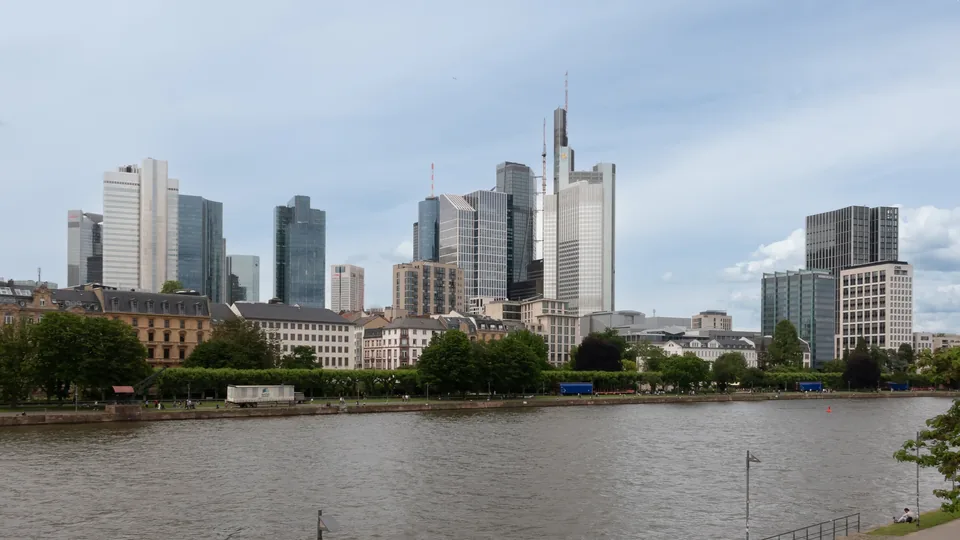
The host market carries all three tests at once, which is why Germany gets its own route through this Dive. Munich prime office rent rose 5% over 12 months to €62 per sqm per month, even as national vacancy climbed, and the German cities are not moving together: Hamburg investment rose nearly 60% year on year while Frankfurt fell a further 20%. Germany is reopening by postcode, not by headline takes the national headline apart by city. CEE arrives with a different version of the same problem: Warsaw, Prague and Bucharest each set their own price, and a record 65% of the region's 2025 investment came from CEE-based buyers rather than the international capital the stands are built to attract. That thread runs through Poland arrives city by city, Czechia & Slovakia: whose money sets the price? and Romania's yield premium: a reward for moving first or a warning?.
None of this settles the question in advance. It gives a reader walking into Munich three tests to run against every session, every stand conversation and every headline the fair produces this week, and a route to the rooms most likely to produce an answer.
What to test in Munich
- In any financing session, ask for the specific loan-to-value, margin and asset type a lender will write this week, not a general statement of appetite.
- In any investment or pricing session, ask whether a named asset moved from guidance to a bid, or whether the number under discussion is still one side's opening position.
- In any InfrastructureNow or data-centre session, ask for the connection status and energisation date behind the capacity figure being presented, not just the demand forecast.
Sources
- EXPO REAL, 2026 conference programme press release, published 16 Sep 2026
- JLL, Germany Investment Market Overview Q2 2026
- JLL, Germany Big 7 office market dynamics Q2 2026
- CBRE, European Lender Intentions Survey 2026, published 16 Jun 2026
- INREV, Allocations to real estate debt keep growing, reaching a record high of €442 billion, published 21 October 2025
- ECB, Monetary policy decisions, 10 Sep 2026
- ECB, Euro area bank lending survey Q2 2026, published 21 Jul 2026
- CBRE, European Data Centres Figures Q2 2026, published 17 Aug 2026
- ENTSO-E, Data centres and the power system, published May 2026
- Cushman & Wakefield, CEE Investment Market Update H2 2025
 The lender is also on a clock
 Germany is reopening by postcode, not by headline
 Czechia & Slovakia: whose money sets the price?
 Romania's yield premium: a reward for moving first or a warning?
 The new asset is not always a building
 Poland arrives city by city, not as one pavilion