
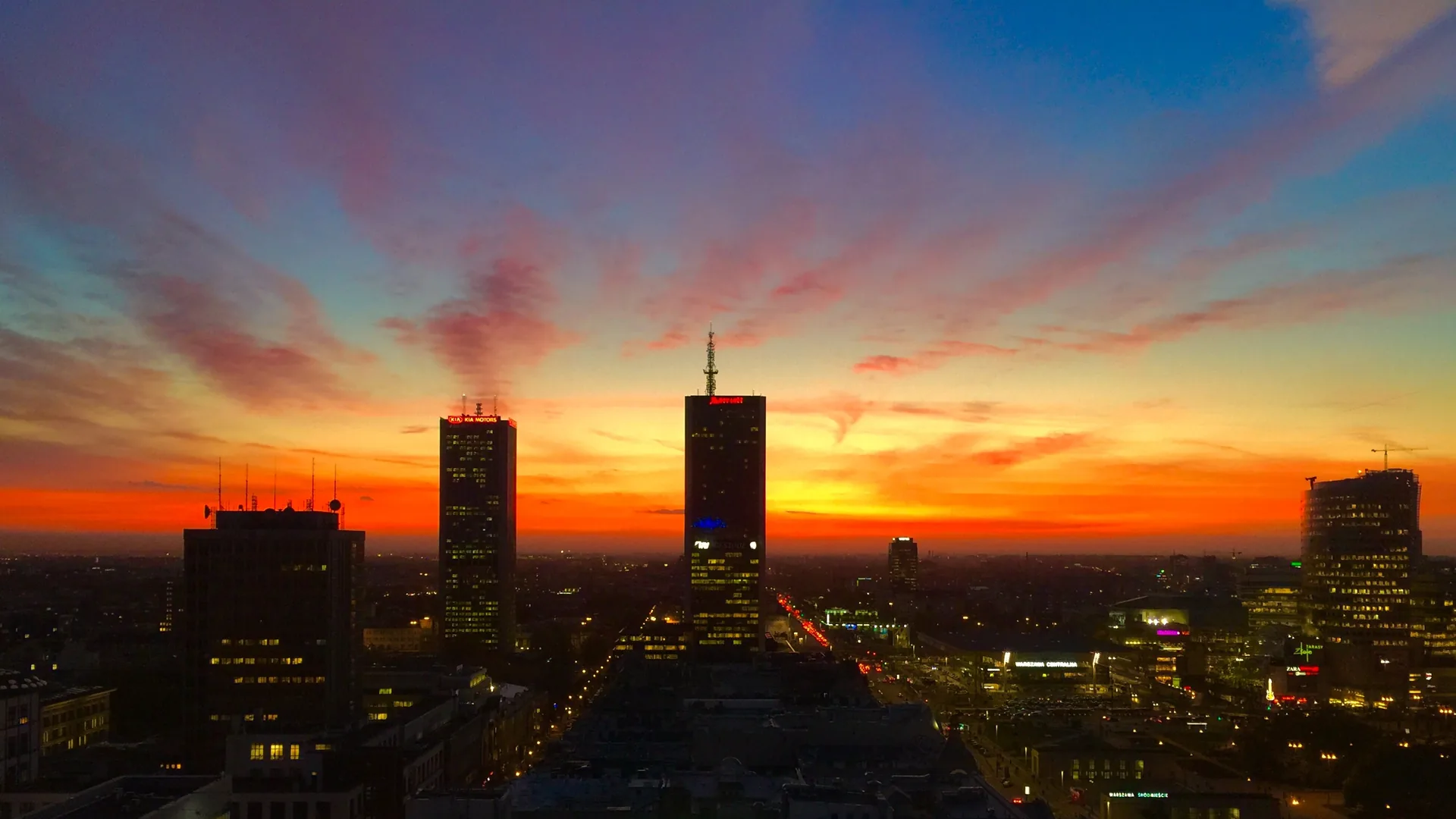

Walk the length of Hall A2 in Munich this October and Poland does not announce itself once. It announces itself four times: Warsaw at A2.121, Silesia at A2.120, Łódź at A2.122, Wrocław at A2.022, each with its own city officials, its own developer partners and its own pitch to whichever investor happens to stop. There is no Polish national stand. PAIH, the national investment agency, has no stand. An investor who wants to understand "Poland" in one conversation cannot have it; she has to walk the row, a fragmentation that sits inside the wider country-by-country grid this Dive builds around Poland, Czechia, Slovakia and Romania.
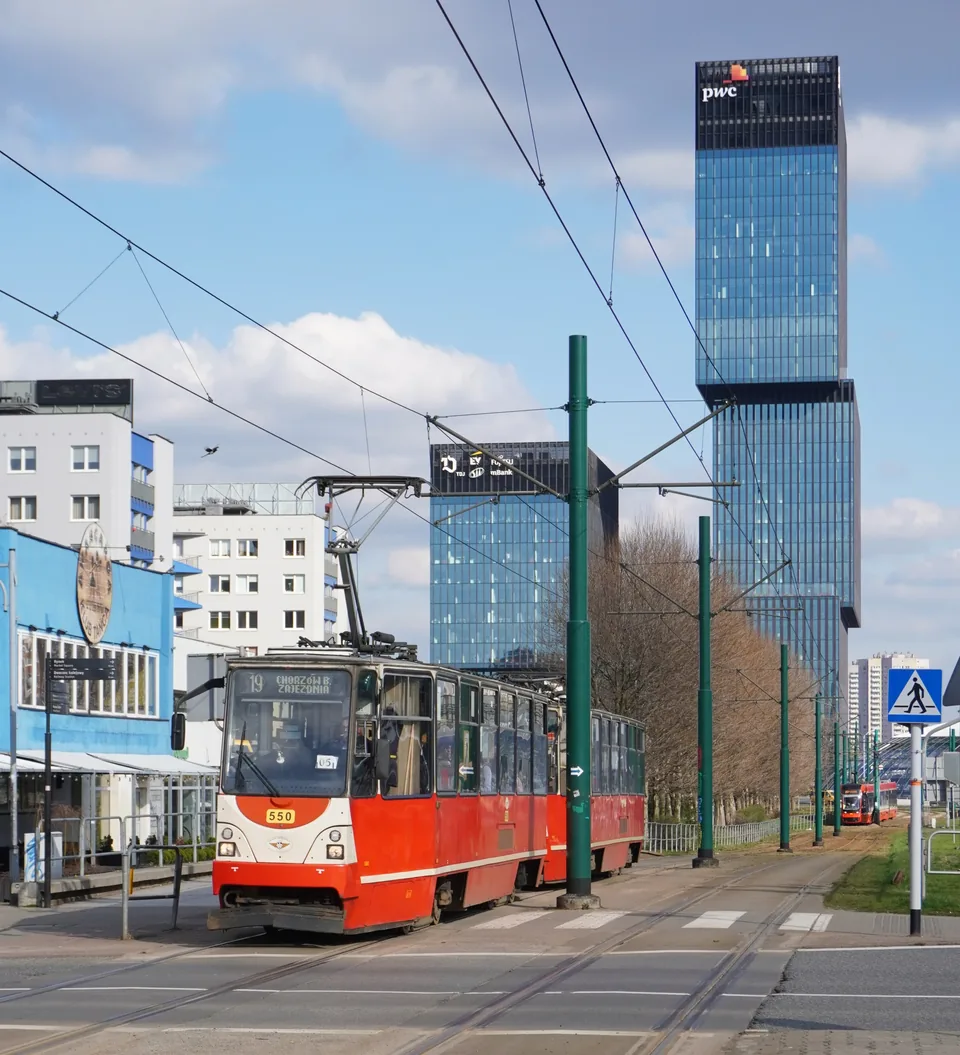
Each stand is built differently, and the roster says something about who is selling. Warsaw's zone carries 12 named co-exhibitors, from developers such as Echo Investment, BBI Development and Skanska Commercial Development Europe to investors such as Griffin Capital Partners and Peakside Capital Advisors. Silesia pairs Katowice City Hall and the Górnośląsko-Zagłębiowska Metropolia with companies including 3D ESTATE and Develocity. Łódź brings its Special Economic Zone alongside HILLWOOD, JHM DEVELOPMENT and OKAM Capital. Wrocław's directory listing names the developer Develia SA as co-exhibitor. The pattern across all four is the same: the city hosts the stand; most named co-exhibitors are private developers and investors.
That fragmentation is not how Poland's neighbours arrive. Czechia returns as a state-organised national exposition under a single banner. Romania has a joint stand run by its German chamber of commerce. Hungary's presence is led by an industry association. Poland is the largest of the four markets by first-half investment volume and the only one without any shared umbrella at all. The case for the city model is genuine local ownership: each city argues its own sites with the people who actually know them. The cost is the trade-off: nobody at the fair is making the case for Poland against Czechia, and each Polish stand is competing with the others as much as with its regional neighbours.
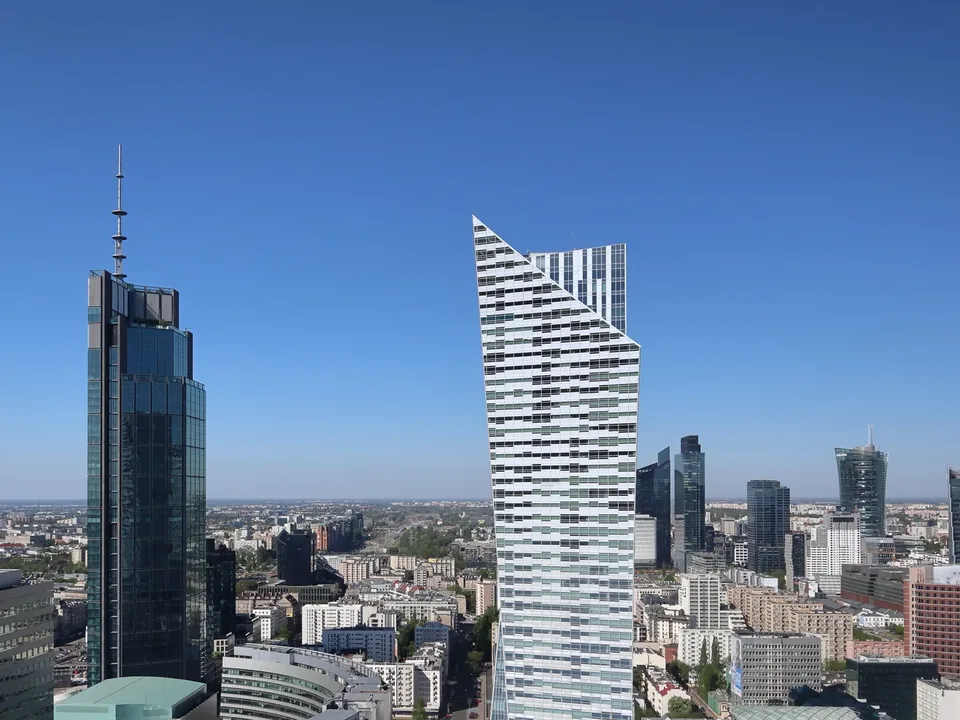
The capital numbers give the fragmentation a harder edge. CBRE recorded more than €3bn of Polish investment in H1 2026, 78% above H1 2025 and the strongest Polish first half since 2018. Warsaw's office vacancy sat at 9.1% in 2025, its modern stock approaching 6.24m sqm with about 130,000 sqm under construction, and Poland held 52% of CEE-6 industrial stock at end-Q2, at 6.6% vacancy. Warsaw's prime office yield stood at 6.00% at Q4 2025, a full point wide of Prague's. The occupier and pricing story is strong. What is less certain is who is buying it: Cushman & Wakefield attributes a record 65% of 2025 CEE-7 investment to CEE-based investors, with banks lending selectively at senior loan-to-value ratios of 50 to 60%. If the regional bid is doing most of the buying, the four stands are competing to reach a smaller pool of genuinely international capital, at the same time each is arguing it has the better local pitch. Czechia & Slovakia: whose money sets the price? tests the same regional-capital question one country over.
Munich is one of the few weeks of the year when Polish sellers meet a non-regional bid in any volume, which is exactly why who staffs these four stands matters as a pricing question, not only a branding one. A buyer who only visits Warsaw's stand sees Warsaw's version of Poland. A buyer who walks all four gets a fuller, harder-to-compare picture, and most buyers do not have the time to walk all four.
What to test in Munich
- Ask a city delegate which investor they came to meet, and what they need from Munich to bring that investor to Poland.
- Ask a developer sitting on a city stand what share of the equity behind their last three deals came from outside Central and Eastern Europe.
- Compare how Warsaw, Silesia, Łódź and Wrocław each frame the same national investment figures. A shared number pitched four different ways is itself evidence of the trade-off.
Sources
- EXPO REAL Exhibitor Directory 2026, accessed 24 Sep 2026
- City Hall of Warsaw, directory listing
- Silesia Region, directory listing
- City of Łódź / Invest in Łódź, directory listing
- Develia SA / City of Wrocław, directory listing
- Cushman & Wakefield, CEE Investment Market Update H2 2025
- CBRE, Poland Investment Figures Q2 2026, published 24 Jul 2026
- CBRE, Warsaw Office Figures Q2 2026, published 15 Jul 2026
- Colliers, Annual Report Market Insights 2026, published 18 Mar 2026
- EXPO REAL, conference programme, read 24 Sep 2026
 The lender is also on a clock
 The room can clear a price without closing a deal
 Germany is reopening by postcode, not by headline
 Romania's yield premium: a reward for moving first or a warning?
 The new asset is not always a building