TL;DR
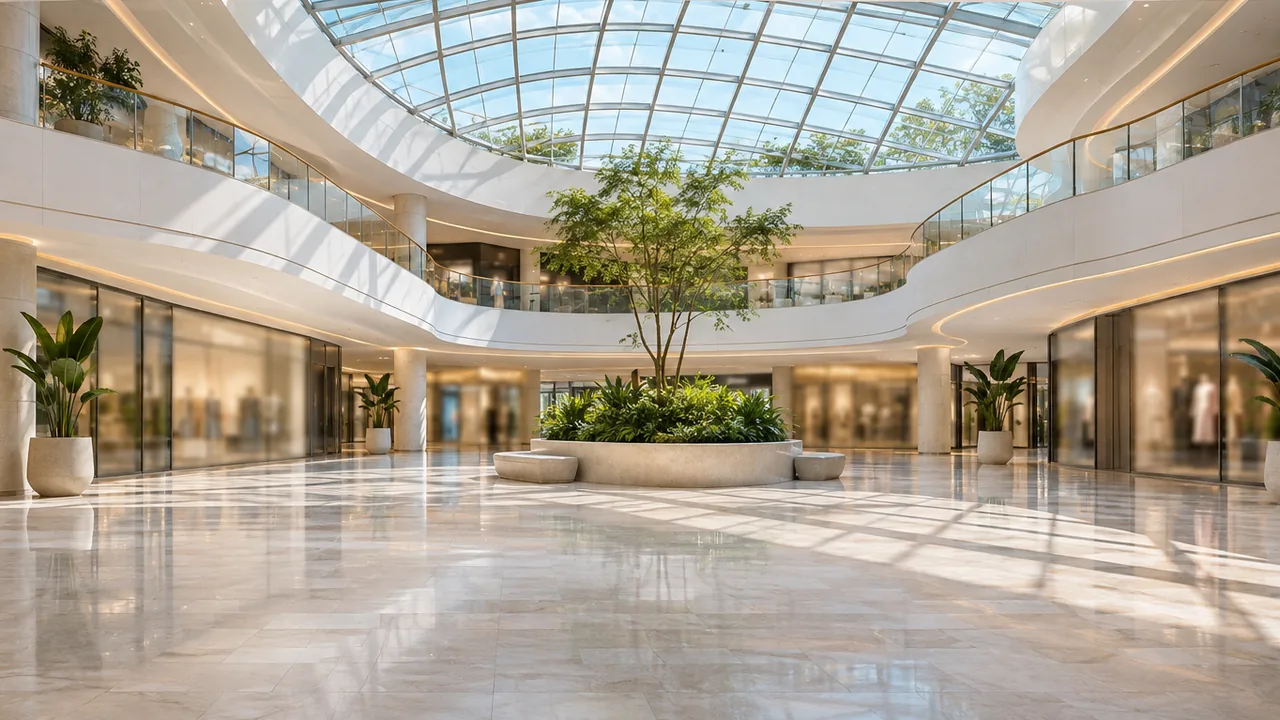
- Footfall and retail sales at Emaar's malls are down about 10%, after five years of roughly 10% annual growth, founder Mohamed Alabbar said at Bloomberg Invest in Dubai on 12 November, according to The National; Enterprise AM reported the same footfall figure.
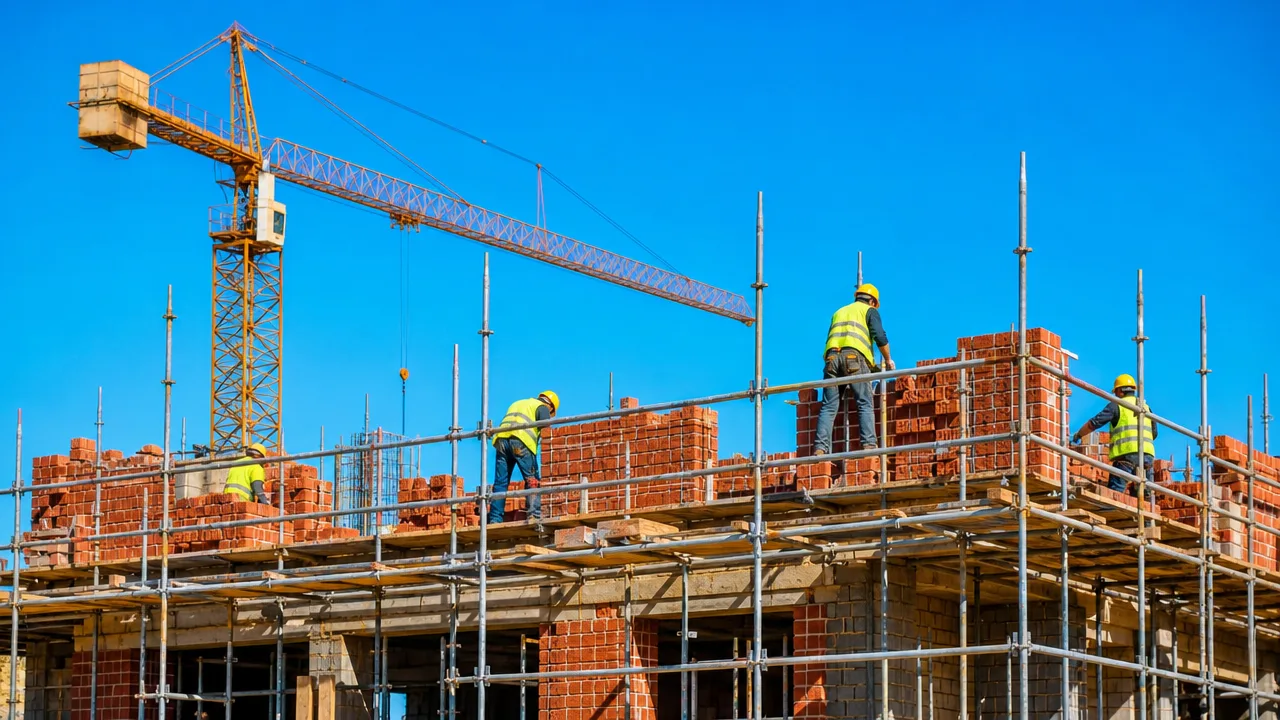
- Construction costs are up about 5%, which is OK, and Emaar is holding back the tender for one big tower until the regional situation cools down, he said, according to The National.
- Emaar's own nine-month results, published on 5 November, show mall revenue up 10% to AED 5.2bn at about 98% occupancy, and occupancy at its UAE hotels at 63% against 80% a year earlier (Emaar).
Traffic at Emaar's malls is about 10% lower, after growing about 10% a year for five years, Emaar founder Mohamed Alabbar told the Bloomberg Invest conference in Dubai on Thursday, The National reported. Retail sales are down by about as much, he said. Hotel occupancy has slipped to about 65% from 80%, he added, a figure Enterprise AM also reported.
He named neither the malls nor the period, and he put the fall down to the Iran war, according to The National. The paper dates the war's start to late February and US and Israeli attacks on Iran. Emaar's nine-month results, published a week earlier, carry no footfall or tenant sales figure (Emaar), so Thursday's remarks put a number on what shoppers are doing inside the portfolio.
Why have the malls lost shoppers but not revenue?
Emaar's nine-month results show the shopping malls, retail and commercial leasing business lifted revenue 10% to AED 5.2bn (US$1.4bn) in the nine months to 30 September. Occupancy stood at about 98% across the portfolio. The release credits "stable leasing income underpinned by a predominantly base-rent structure", a cushion that Alabbar's footfall figure now puts to the test (The National).
In our view, that phrase explains the gap. A tenant on a fixed base rent pays the same when a tenth fewer shoppers walk past. A landlord feels the fall first through turnover rent, the top-up some leases charge on a share of a tenant's sales, and later at renewal. The footfall figure carries no period, so the two cannot be matched quarter by quarter. Together they describe a landlord whose income has held so far, and tenants whose tills have not.
What Emaar said on 12 November, and what its accounts show
| Measure | Figure | Period | Source |
|---|---|---|---|
| Mall footfall | about -10% | not given | Alabbar via The National, 12 November |
| Retail sales at the malls | about -10% | not given | Alabbar via The National, 12 November |
| Malls, retail and commercial leasing revenue | AED 5.2bn, up 10% | nine months to 30 September | Emaar results |
| Mall portfolio occupancy | about 98% | at 30 September | Emaar results |
| UAE hotel occupancy | 63%, against 80% a year earlier | nine months to 30 September | Emaar results |
| Hotel occupancy | about 65%, from 80% | not given | Alabbar via The National, 12 November |
| Construction costs | about +5% | not given | Alabbar via The National, 12 November |
Source: The National, 12 November 2026; Emaar nine-month 2026 results, 5 November 2026. Alabbar's figures are conference remarks, not company disclosures.
What happened to the hotels?
Emaar's hospitality, leisure and entertainment arm had revenue of AED 2.4bn in the nine months. Average occupancy at its UAE hotels was 63%, against 80% a year earlier (Emaar). On Thursday Alabbar put the level at about 65%, according to The National, close to the 60 to 65% he had given in mid-October, Khaleej Times reported.
Across Dubai, hotel occupancy averaged 36% in March. By August it had recovered to 66%, still only 89% of the level a year earlier. That month 869,000 international overnight visitors arrived, the most in any month since the war began in late February (The National). Emaar puts its weaker hotel year down to lower international visitor numbers across the region (Emaar).
Why is Emaar still building, but holding one tower back?
Construction goes on. Contractors are working on time and materials are still coming in, Alabbar said, according to The National. He put the rise in costs at about 5%, which he called OK. Emaar is helping contractors absorb the increase, and they are still delivering ahead of schedule, Enterprise AM reported.
The exception is one big tower: Emaar is holding back its tender until the regional situation cools down, Alabbar said, according to The National. Alabbar did not say which tower. Enterprise AM recalls that in January he expected the Dubai Creek Tower to go to tender within three months. In September he said that project would wait for the situation between Iran and the US to settle, Khaleej Times reported.
On 9 November Emaar unveiled the Dubai Square Business District at Dubai Creek Harbour: 300,000 sqm of commercial and office space worth AED 12bn. It envisions "the new Dubai Creek Tower" as its landmark (Emaar). Sales are a different story. Alabbar said Emaar's sales are down more than 50% this year, after growing about 50% a year, and that the developer has not cut prices to move units, Enterprise AM reported.
Why is capital still arriving?
The same stage carried the opposite signal. Blackstone executives said the firm had deployed more capital in the region over the past year than ever before, Semafor reported. UAE Investment Minister Mohamed Hassan Alsuwaidi pointed to shortages of offices and warehouses as opportunities, the same report said. "I see [room] to attract third-party capital in ways we haven't in the past," Alsuwaidi said, according to Enterprise AM.
Alabbar dismissed fears of a sharp property decline, saying that if there had been a bubble it would already have burst, Semafor reported. He tied the recovery to what happens between Donald Trump and Iran's leadership, according to The National. If that is settled within a month, he expects the market to take 12 months to be in good shape again. For investors, in our view, that leaves a gap to price: fewer shoppers and emptier rooms at Emaar's malls and hotels, and capital that keeps coming.
From the first shock to Bloomberg Invest: Emaar's war year in dates
Tap a date to read more.
January 2026A tender date for the Creek Tower
Alabbar expects the Dubai Creek Tower to go to tender within three months, according to Enterprise AM.
Late February 2026The war begins
US and Israeli attacks on Iran start a war that weighs on UAE tourism, property and aviation.
March 2026Hotels at 36%
Dubai's citywide hotel occupancy averages 36%; many hotels fall to single digits at the height of the war.
August 2026Visitors return
869,000 international overnight visitors arrive and citywide occupancy reaches 66%, 89% of the level a year earlier.
21 September 2026Creek Tower waits
Alabbar says the Creek Tower project will wait for the situation between Iran and the US to settle, according to Khaleej Times.
5 November 2026Nine-month results
Mall revenue up 10% to AED 5.2bn at about 98% occupancy; UAE hotel occupancy 63%, against 80% a year earlier.
9 November 2026Dubai Square Business District
Emaar unveils 300,000 sqm of commercial and office space worth AED 12bn at Dubai Creek Harbour.
12 November 2026Bloomberg Invest Dubai
Alabbar puts mall footfall and retail sales about 10% down and construction costs about 5% up, and says one tower tender is held back, according to The National.
Why it matters
Our view: Emaar's malls have so far taken the war in their tenants' tills rather than in their own rent roll, protected by a predominantly base-rent structure and about 98% occupancy. If footfall stays about 10% down through the winter season, then the pressure moves from turnover rent to renewals, and malls with more sales-linked leases feel it first. If hotel occupancy stays near 63% against 80%, then rooms, not shops, remain where the war shows most clearly in Emaar's recurring business.
If a settlement comes within a month, then by Alabbar's own timetable the market needs about 12 months to recover, and the held-back tower tender could then go ahead. Building costs, up about 5% so far, would become the main variable for new schemes such as the AED 12bn Dubai Square district.
FAQ
Which malls did Alabbar mean?
He referred only to Emaar's mall business and named neither malls nor a period, The National reported.
Are the 63% and 65% hotel figures the same measure?
No. 63% is the reported average for Emaar's UAE hotels over the first nine months of 2026 (Emaar). About 65% is the level Alabbar gave on 12 November, without a period (The National).
Which tower tender is on hold?
Alabbar did not name it. He said only that the company is holding back on tendering a big tower until the situation cools down (The National, Enterprise AM).
Sources (8)
- The National, Emaar's mall footfall down 10 per cent due to Iran war, says Alabbar, 12 November 2026
- Enterprise AM UAE, Is the UAE ready for driverless cars? (section: Waiting out the winter), 13 November 2026
- Semafor Gulf, UAE billionaires optimistic about foreign investment despite eight months of war, 12 November 2026
- Emaar Properties, nine-month 2026 results, 5 November 2026
- Emaar Properties, Dubai Square Business District: The Address of Ambition, 9 November 2026
- The National, Dubai visitor numbers begin to recover as tourism boss hails city's determination, 13 September 2026
- Khaleej Times, Crisis will pass and UAE, region will emerge stronger, says Emaar founder, 14 October 2026
- Khaleej Times, Current regional situation 'not sustainable', says Dubai billionaire Alabbar, 21 September 2026